


Researcher: Jessica Schiller
Affiliation: Department of Health Psychology, Johannes Kepler University Linz
Favourite animal: Cat
Contact information (email): jessica.schiller[at]jku.at
LinkedIn: www.linkedin.com/in/jessica-schiller-6508b832b
What is the central topic or question of your PhD research? And what inspired you to pursue this topic/question?
I am doing my PhD in health psychology and I am broadly interested in the psychology of healthy and sustainable eating. A major part of that is meat and animal-product consumption. We know from research that, as a society, we need to reduce meat consumption for health, environmental, and animal-welfare reasons. At the same time, meat plays a central role in many people’s everyday diets. I live in Austria, where average meat consumption is quite high (around 58 kg per person per year), and where people are very culturally attached to meat products.
On a more personal level, I don’t eat animal products myself, which made me curious about how people think about meat, how they justify eating it, and why reducing meat consumption can be so difficult. When I was developing my PhD project, it quickly became clear that I wanted to understand how people can reduce their meat consumption, how they make sense of eating meat in the first place, and what psychological processes are involved. A big part of my work now looks at how people justify eating meat and how they react to different attempts or policies aimed at reducing meat consumption.
You recently published a paper titled, ” A license to eat meat? Exploring processes underlying the effect of animal labels on meat consumption”. Could you tell us a bit about the aim(s) of this study. Which theoretical perspectives did you draw upon and what were some of the key findings?
The main aim of this study was to better understand how animal labels on meat products influence people’s food choices. There is growing evidence that warning labels and graphic images can alter people’s choices – for example, reducing their intentions to purchase cigarettes, meat, or sugary drinks. But much less is known about the psychological processes behind these effects.
A key idea was to use animal images and systematically vary the valence of these to test their impact on purchasing decisions and explore some of the psychological processes that could be involved. The study draws upon theoretical perspectives including moral licensing, meat-animal dissociation, and emotional processes like empathy, guilt, and disgust. We wanted to test whether different types of animal labels might discourage meat consumption or, conversely, make people feel more justified in choosing meat.

In an experimental shopping task, we found that negative animal images reduced meat selection, mainly by disrupting dissociation processes and triggering emotional responses such as empathy and guilt. In other words, the images made it harder to mentally separate the meat product from the animal it came from. Neutral and positive images also reduced dissociation in the sense that people more clearly associated the product with the depicted animal. However, these images did not lower meat choice. In fact, positive images seemed to support justification processes, making it easier for people to feel comfortable choosing meat. Overall, the findings suggest that animal labels can operate through very different psychological mechanisms depending on how animals are portrayed and that only negative images appear to be effective in actually reducing meat consumption.
The labels that you used in your research included an animal welfare rating system (“Haltungsform”) alongside images of animals in neutral, positive or negative environments. Could you say more about this rating system and what it would mean to your Austrian participants. Is this a rating system that they would be familiar with?
The “Haltungsform” rating scale we used was inspired by the upcoming mandatory husbandry label for pig meat in Germany, which classifies farming conditions on a scale from basic indoor housing to organic (“Bio”). At first, we considered using only animal images, but we decided to combine them with a rating scale because we thought this would make the husbandry conditions more explicit and easier to grasp.
This kind of clear, welfare-based labeling does not yet exist in Austria. However, Austrian consumers are very familiar with the “AMA Gütesiegel”, which is widely known and trusted. The “Gütesiegel” is not primarily an animal-welfare label, it mainly signals an Austrian origin and certain quality standards. Consumers are also familiar with systems like the “Nutri-Score,” which provides a comparative evaluation of how healthy a product is within its category. So while Austrian consumers may not know the “Haltungsform” system specifically, the general idea of a rating scale on products is familiar. A more explicit welfare scale could therefore help make actual husbandry conditions more transparent.
Do you have a sense from your study if it was the image or the rating scale – or the combination of the two – that largely impacted on people’s food choices in the shopping task?
We cannot say for sure based on our study, because disentangling the effects of the images and the rating scale would require a different design. My sense is that it was likely the combination of both. The rating scale might have made the husbandry conditions explicit and cognitively accessible, while the images probably made them emotionally salient. The strongest effects were found in the negative condition, which led to the biggest reductions in meat selection. These images were taken from the Farm Transparency Project and show real animals in real farming environments. We deliberately avoided graphic or shocking content, but it was still clearly visible that the animals were not being treated well. The emotional impact is likely very powerful.
At the same time, previous research by Kranzbühler and Schifferstein has shown similar effects using animal images without a husbandry scale, but with “meat shaming” messages (e.g., “Eating meat makes animals suffer”). So my guess would be that the images carried much of the effect, whereas the rating scale may have reinforced the message and made it harder to ignore.
Could you tell us a little about the shopping task you had participants complete. Do you think your results would extend to consumer choices made within a physical store?
Participants completed an online shopping task in which they chose products from six common food categories. We deliberately selected everyday items people would typically encounter in a supermarket, for example, ready-made meals in the frozen foods section or different types of bread and baked goods. To keep things comparable, we used supermarket brands or no-name products across categories.
Of course, this setup differs in important ways from shopping in a physical store. In Austria, most people are not used to doing their grocery shopping online, and we only offered a limited selection of products per category. Some participants also noted that they would normally choose a different brand. So, it is important to keep in mind that these effects were observed within a partly constrained and artificial setting.
That said, there is good evidence that labels – visual information in particular – can influence real-world behaviour. Based on this, I do think that a combination of clear husbandry labels and images on meat packages could meaningfully influence consumer choices in physical stores as well. Yet, that is something future field studies really need to test directly.
Based on your findings, and thinking about food labels more generally, what would be your recommendations for animal-product labels? Are positive welfare labels likely to encourage purchases? Are there other elements of a label, beyond an image or rating scale, worth manipulating to discourage purchases?
Labels should be clear and easy to process. If they become too complex, people may simply ignore them. Generally speaking, visual elements are a good idea, and putting images of animals on products might be one way to make people think more about what they are consuming.
Another element of a label that could be manipulated might be the wording. Previous research by Kunst and colleagues has shown that the language used for meat products can create psychological distance between the animal and the product. This work shows that when the connection between the animal and the product is made more explicit – for example, by using the word “pig” instead of “pork” – people tend to rate the product as less appealing than when the connection is not made. So, a combination of wording, visual elements, and making husbandry conditions explicit might have even stronger effects.
Some of our readers may be opposed to animal welfare labels because they may simply change which animal products are purchased, as opposed to removing animal products from the market. Do you see animal welfare labels as part of a larger campaign that ultimately benefits animals and possibly even reduces the amount of animal products people consume?
I don’t see animal welfare labels as a solution on their own. I agree that, at least initially, they would mainly shift choices within the category of animal products rather than reduce consumption overall. However, this could still have meaningful effects. Products from poor animal husbandry are usually very cheap, and if these cheap products sell less, while higher-welfare products remain more expensive, this could indirectly lead people to buy less meat overall.
Ultimately, I see animal welfare labels as a first step to reduce meat consumption rather than an endpoint. A broader strategy would also need to address pricing, availability, and the attractiveness of plant-based alternatives. At the same time, we still need more research on how people react to more systemic measures, and whether such approaches might increase polarisation between meat-eaters and vegans. So, on their own, welfare labels are unlikely to transform the market. But combined with other measures, they have the potential to contribute to longer-term changes in eating habits.
“Welfare labels are unlikely to transform the market. But combined with other measures, they may have the potential to contribute to longer-term changes.”
Explore Jessica’s research further…
Key Papers by Jessica Schiller
Schiller, J., Ruby, M. B., & Sproesser, G. (2025). A license to eat meat? Exploring processes underlying the effect of animal labels on meat consumption. Appetite, 215, 108242. DOI Link
de Lint, L., Schiller, J., Gagliardi, L., & Sayat, R. A. (2026). Time matters: Temporal dimensions of change in animal-product consumption and animal attitudes. Psychology of Human-Animal Intergroup Relations, 5, e19183. DOI Link
Schiller, J., Northrope, K., Buttlar, B., Kashima, E., Ruby, M B., & Sproesser, G. (2026). Psychometric evaluation of the German version of the Motivations to Eat Meat Inventory (MEMI). Psychological Test Adaptation and Development, 7, 15-26. DOI Link
Blog by Jared Piazza; interview questions by Jared Piazza and Matthew Watkins.
Cover photo by: mathieu gauzy

Researcher: Tina Bagus
Affiliation: DIPF | Leibniz Institute for Research and Information in Education, Frankfurt am Main, Germany
Favourite animal: Turtle
Contact info (email): t.bagus@dipf.de
What is the central topic or question of your PhD research? What inspired you to pursue this topic?
In my PhD research, I am developing an instrument to assess experiences of inner conflict in multifaceted situations. With this instrument, I aim to investigate how inner conflict is related to decision-making and reasoning, and how these relations develop from childhood to adulthood. A special focus of this research is on inner conflict related to the meat paradox, especially in people who are ambivalent about eating meat.
Hanna Beißert and Luke McGuire sparked my interest in human-animal relationships when I was involved in a research project that sought to replicate findings with British samples on the development of speciesism and attitudes of meat eating in Germany. During this time, I was impressed by children’s straightforward perspectives and the very ambivalent attitude of some adults towards meat-eating. Thus, my PhD research is inspired by the development of meat-related conflict but I also examine inner conflict as a general construct in various socio-moral situations and across development.
What are some key findings from your work? What theoretical perspectives have been useful to your work?
In my recent work, I moved beyond the “pro-meat vs. oppose” dichotomy to examine the reasoning of people who are conflicted about their meat consumption. These ambivalent respondents are more likely to engage in dual-sided reasoning (using arguments both for and against meat eating), which is indicative of meat-related cognitive dissonance. My work builds on Rothgerber’s (2020) theoretical model of meat-related cognitive dissonance, which posits that individuals who eat meat while also caring about animal welfare experience an unpleasant state of cognitive dissonance. To reduce this dissonance, people may employ strategies such as rationalising meat consumption through the “4 Ns” (i.e., reasoning that meat eating is natural, necessary, normal, or nice) or by using conditional justifications related to humane husbandry (for example, reasoning: “it is only okay to eat animals that are treated humanely before being killed” – see image). Whereas proponents appear to have largely resolved this conflict through the use of pro-meat justifications, ambivalent respondents seem to be in an ongoing process of coping with this inner conflict, as reflected in their dual-sided weighing up of the pros and cons of meat eating.
In your recent publication, “Reasoning about eating animals across the lifespan”, you found that German children, adolescents and adults reason somewhat differently about eating animals. What were some of the key developmental differences across the age groups you studied?
Consistent with research using British samples, we found that German children were more likely than adults to refer to moral concerns about animal welfare, and this was true even for children who reported eating meat. This points to a disconnect between children’s moral evaluations and their eating behaviour – a key assumption of the developmental model of meat-related conflict (see Piazza et al., 2023). The model posits that children experience little inner conflict because their limited food-systems knowledge allows their moral concerns and eating behaviour to remain largely disconnected, whereas increasing knowledge with age gives rise to an emerging conflict between animal welfare concerns and meat eating.

Consistent with this model, German adolescents in our study showed both “child-like” moral reasoning – for example, appealing to animal welfare – as well as “adult-like” reasoning with appeals to the naturalness of eating meat and humane husbandry conditions that justify meat eating. This supports the view that adolescence may be a transitional phase, during which growing meat-related conflict fosters the use of dissonance-reducing reasoning strategies and a developmental shift from a primarily, welfare-oriented perspective in childhood towards a more nuanced (e.g., conditional) and biology-oriented justification pattern in adulthood.
Why is it important to understand how people of different ages reason about eating animals?
Because it shows how perspectives on meat consumption emerge and take shape when growing up in a society where meat eating is the norm. Investigating how people learn to justify or question socially accepted practices at different ages can reveal how cultural and social norms are taught and internalised over time. Furthermore, knowing how reasoning differs by age can help educators, caregivers, and advocates better communicate about meat eating, food systems, and animal welfare in age-appropriate ways.
How would you like to see your work applied or being used? Are there implications for animal advocacy?
As part of my PhD, I am currently developing and validating an inner conflict scale to assess experiences such as the conflict that many meat eaters experience. So far, my research with this instrument shows that many people consider meat eating as a complex and potentially conflicting issue. Being able to identify which consumers experience inner conflict about meat can be valuable for animal advocacy because it can help direct interventions towards more receptive audiences. For example, advocates might use the scale to examine whether “conflicted” meat eaters might be open to transitioning towards a plant-based diet or receptive to messages about reducing their meat consumption, more so than non-conflicted meat eaters, and, as a result, direct their efforts and resources more strategically.
Other than that, our findings on young people’s perspectives on meat-eating can serve as a useful starting point for age-appropriate discussions about meat, food systems and animal welfare, empowering children and adolescents to make informed food choices.
Lastly, I think our work on children’s reasoning shows that children are already good animal advocates. Children’s perspectives are often overlooked, but listening to them on an equal footing can be very impactful, as their arguments are often convincing and relatable. Children can remind us of basic moral principles such as reciprocity (‘You wouldn’t want to be eaten either!’) and the need to consider the basic rights to all living beings.
What do you see as an important ‘next step’ for developmental research into the topic of animal-product consumption?
There is still much to be investigated in developmental research on meat-related conflict with many open questions and promising directions for future work. As most studies have been quantitative and cross-sectional, I think it will be an important next step to conduct qualitative studies, especially focusing on adolescence as a phase of changing moral views of animals. Interview studies with children who are just entering adolescence would be very valuable, ideally, following them over time to capture how their reasoning about eating animals develops into young adulthood.
I would also find it particularly promising and exciting to conduct in-depth interviews with children who eat meat but at the same time consider it morally unacceptable to eat animals. Exploring how children themselves think about this apparent contradiction in their behaviour and attitudes could help us better understand how individuals, more generally, come to manage, live with, and, at times, confront these ongoing tensions.
Key Papers by Tina Bagus
Bagus, T., McGuire, L., & Beißert, H. (2026). Reasoning about eating animals across the lifespan. Appetite, 217, 108333. https://doi.org/10.1016/j.appet.2025.108333
McGuire, L., Bagus, T., Carter, A. G., Fry, E., & Faber, N. S. (2025). Reasoning to justify eating animals varies with age. Child Development, 96, 953-965. https://doi.org/10.1111/cdev.14217
Blog authors and interview questions by: Jared Piazza, Kiera Galvin, Rebecca Gregson, and Matthew Watkins
Cover image credit: David Courbit
An interview with Maxim Trenkenschuh and Prof Chris Hopwood about their new research, published in Anthrozoos, that explores how personality differences relate to people’s support for farmed animal welfare legislation, like Proposition 12 in the United States.
Maxim, could you briefly introduce yourself?

Hi, my name is Maxim Trenkenschuh and I’m currently a PhD student at the University of Zurich. I’m interested in human-animal intergroup relations and I specifically want to find out how individual differences in people’s motives and personality predicts how they treat non-humans (e.g., whether they eat animals or not). I study this topic with my PhD supervisor, Professor Chris Hopwood. I currently live in Bonn, Germany with my partner and our son and work remotely. I also enjoy making music, drawing and skating.
You recently investigated the role of personality in people’s support for animal welfare legislation. What inspired this research and what were some of the key findings?
We conducted this research together with Courtney Dillard from Mercy For Animals. We were interested in general attitudes of the US population towards specific arguments for and against California Proposition 12. In contrast to a lot of previous work on how personality relates to attitudes about animals, we assessed personality using a more fine-grained measure that captures both broad (“big five”) domains as well as narrower facets of those domains. We did this because domain effects can miss important nuance. For instance, the Openness domain has features related to curiosity and creativity and other features related to intelligence, and these facets might be related to attitudes about animals in different ways.
For those of us unfamiliar with Proposition 12, could you briefly explain what it is, and how it relates to this study?

Proposition 12, also called Farm Animal Confinement Initiative, was a ballot initiative in California, which aimed at improving animal agriculture conditions by requiring more space for egg-laying hens, breeding pigs, and veal calves. It prohibits the sale of meat and eggs from animals confined in a noncomplying manner, regardless of whether the animals were raised in California or elsewhere. Since it also pressures out-of-state animal agriculture to conform with the requirements, it is considered one of the most important pieces of legislation by animal welfare advocates. The proposition was approved by California voters in 2018 but challenged by the National Pork Producers Council and the American Farm Bureau Federation at the Supreme Court of the US. The Supreme Court upheld Proposition 12 in 2023. This means it is now much easier for a particular state like California to influence animal welfare regulations not only within their own market but also among their out-of-state ‘providers’.
We are used to thinking of personality having to do with stable, but fairly general traits, that are not always predictive of situationally-based behaviour. What made you think that personality would matter for specific animal-advocacy actions, like supporting Proposition 12?
We now know that personality is less stable than was once thought, and in fact changes are normative during the transition to adulthood, at a time when many people are forming political opinions. Also, whereas no psychological variable is very predictive of behaviour in individual situations, there is a large body of evidence showing that personality traits are robust predictors of broad patterns of behaviour involving health, environmental behaviour, attitudes about social justice and compassion for animals. For instance, a recent meta-analysis showed that Openness and Agreeableness were reliable predictors of vegetarian and vegan dietary identity. These traits are also associated with more liberal and progressive political attitudes, which suggests they might predict the kinds of people who would support Proposition 12.
Which personality aspects did you expect to relate to support for Proposition 12 and why? Were there any unexpected or surprising findings, given your predictions?
Openness to experience appears to be an important aspect of personality for a range of concerns connected to nature and animals (e.g., pro-environmental attitudes). While associations between Openness and animal welfare attitudes are already well established, we wanted to explore Openness in a more granulated way. We expected that one specific component of Openness – the part related to curiosity and creativity – would principally drive the association. Indeed, this was the case. By contrast, aspects of Openness related to intellect actually had a weak, negative association with support for Proposition 12. The personality trait Agreeableness was also consistently associated with support for Proposition 12 and support for keeping it. But surprisingly it was the politeness aspect of Agreeableness, more than the compassionate aspect, that was predictive. Finally, the withdrawal aspect of Neuroticism was related to greater support for Proposition 12. We did not predict this finding, but interpreted it as possibly related to vystopia, i.e., the distress many vegans and people who support animal rights feel about the plight of farmed animals.
You found no evidence that age, gender, region, or political orientation moderated any of the trait-attitude relationships in the study. Why might this be, and what does this imply about the role of personality in animal advocacy?
Moderation effects are uncommon in studies like these, so this was not particularly surprising. It is well-known that moderation effects, when present, tend to be very small and thus very large samples are needed to find them. Although we had 802 people in our sample, it is possible that an even larger sample would have detected very mild moderation effects. More likely to us is that personality traits predict attitudes about animals similarly across demographic groups.
Next steps: How might personality matter for other forms of animal advocacy, such as joining organizations, participating in protests, advocating for vegan diets, etc.? Do you have plans to look at such trait-behavior relations?
Our team recently published a meta-analysis showing that the personality traits Extraversion, Openness, and Agreeableness are related to different kinds of civic engagement, such as advocacy, donating to organizations, joining organizations etc. (Stalhmann et al., 2023). When you consider these results in combination with previous studies about the traits that predict veg*n diet, compassion for animals, and support for animal welfare legislation, it seems that people who are more open and agreeable are both more likely to have more sympathetic attitudes towards animals and also to act on those attitudes. We are unaware of studies about which traits predict the people who are likely to become animal advocates specifically. This would be a natural extension of this work. Our work is currently focused on how changes in personality traits and dietary motives are related to changes in meat consumption and attitudes about animals. As I mentioned above, we know that personality traits can change at both the population and individual levels, and we are curious about how these changes predict changing attitudes in ways that could be leveraged for effective advocacy.
Interview questions and blog by Jared Piazza

Cover photo by Bill Fairs

Feature image credit: Johann

Researcher: Sarah Gradidge
Affiliation: Anglia Ruskin University, Cambridge, UK
Favourite animal: Elephants
Email: sarah.gradidge@pgr.aru.ac.uk
Twitter: @SarahGradidge
What is the central topic or question of your PhD research?
My PhD research, supervised by Dr Magdalena Zawisza, Dr Annelie Harvey and Prof Daragh McDermott, explores speciesist attitudes towards different animals, particularly why people typically prefer dogs over pigs, even though dogs and pigs share many similarities, which should endear both species to us. I refer to this as “dog vs. pig pet speciesism.” My PhD has explored the causes of dog vs. pig pet speciesism, which includes self-relevance (whereby eating pork, ham, etc. may motivate people to view pigs negatively to alleviate their guilt), familiarity and similarity (whereby dogs are more familiar and people view dogs as more similar to us than pigs, which may improve people’s perceptions of dogs), and pet status (whereby dogs’ status as pets may confer positivity towards them). I am hopeful that my PhD research will inform future interventions to improve perceptions and behavioural intentions towards pigs.

What inspired you to pursue this topic?
I first went vegan predominantly because I was struck by how similar pigs’ behaviour (such as when they are playing) could be to dogs’ behaviour. I felt guilty that I could eat an animal which could behave in similar ways to my own much-loved family dog. At the time, I was beginning my MSc degree in psychology, so naturally I decided to do my MSc research project on this topic. My PhD was then an extension of my MSc research project.
What are some key findings from your work?
Firstly, I confirmed my MSc research by finding that dog vs. pig pet speciesism does indeed exist. As well, I found that people view dogs as warmer, more competent, more familiar, more similar to humans, more as pets and less as profit animals than pigs. I also found that self-relevance, familiarity, similarity and pet status predicted more flattering perceptions of dogs than pigs. To determine if these variables caused pet speciesism, instead of only predicting pet speciesism, I causally manipulated these variables to see if they affected perceptions and attitudes towards a novel animal.
It was surprisingly difficult to causally manipulate the familiarity of an animal – the mere exposure effect using photographs of the animal did not work, and neither did imagined contact. Pet status had some causal effects on perception (e.g., on warmth, whereby pet animals were viewed as warmer than non-pet animals), but it is not clear if pet status can explain differences in our behaviour towards pet vs. non-pet animals. Therefore, pet status may not fully explain why we treat pigs differently than dogs. I am still in the process of analysing all of my final PhD study results on similarity and self-relevance, so watch this space!

What theoretical perspectives have been useful to your work?
My PhD research utilises the Stereotype Content Model as a framework to measure pet speciesism. This model advances that our perceptions of others are split into two dimensions called warmth (how much we believe others have good or bad intentions) and competence (how capable we believe others are of enacting these intentions). This model has previously been shown to apply to perceptions of animals, not just perceptions of humans (e.g., Sevillano & Fiske, 2016). The Stereotype Content Model can easily be applied to predicted intergroup emotion and behaviour using an extension of the model called the behaviours from intergroup affect and stereotypes (BIAS) map. The BIAS map suggests that attributing greater warmth towards a group (or individual) promotes active helping behaviour, and less active harm, directed at the group. Attributing competence predicts greater passive help and less passive harm. There have been other theories which I have drawn on to identify possible causes of pet speciesism, including: motivated cognition and cognitive dissonance theory, intergroup contact theory and imagined contact theory and established theories of prejudice.
How would you like to see your work applied or being used? Are there implications for animal advocacy?
I would like future research to establish effective interventions to improve perceptions of pigs and behavioural intentions towards them, both by improving perceptions of pigs absolutely from pre- to post-intervention and relatively to dogs by reducing the speciesism gap. Theoretically, if we can remove the causes of pet speciesism, then pet speciesism itself can be reduced or even prevented. The most obvious, potential benefit of reducing or preventing pet speciesism would be reduced (pig) meat consumption. Reduced consumption of pork would, of course, help pigs themselves (a win in itself) but it could also have major environmental benefits. As meat consumption is a major contributor to pollution and climate change, any reduction in net emissions is highly welcome in order to decrease the warming of our planet. There may also be more subtle consequences of improving perceptions of pigs: People may be more willing to help pigs in need (e.g., by giving to charities that help farmed animals) and to advocate for pigs’ interests.

Any advice for new doctoral students doing work in this area?
I advise doctoral students to read widely across disciplines: Anthrozoology (the study of human-animal interaction) ties in to many ongoing issues today, including climate change, biodiversity loss, pandemics and disease, food provision, habitat loss, and antibiotic resistance. Anthrozoology draws on disciplines such as psychology, sociology, animal behaviour, evolutionary biology, history, philosophy, and religious studies. A broad general knowledge base gives you a wider view of human-animal relationships, enables you to make more connections and insights, and helps you to better avoid misunderstandings!
What do you see as an important ‘next step’ for our field?
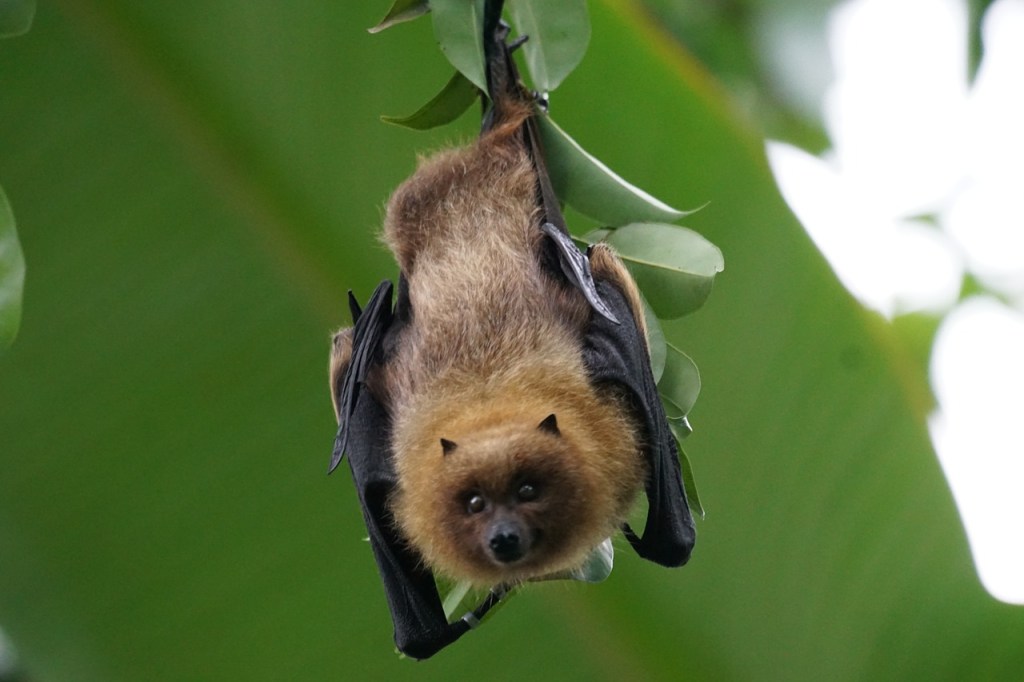
There are many possible exciting ‘next steps’, but one research avenue of great importance is investigating speciesism against a wider range of species, such as ‘pest’ animals (e.g., mice) or other wildlife, and developing interventions which improve perceptions of these species for animal welfare and/or conservation purposes. For example, it would be valuable to determine if the public perception of bats, which is typically very negative (especially since the beginning of the pandemic; Lu et al., 2021), can be improved. Currently, the International Union for the Conservation of Nature classifies more than 200 bat species as under threat, so improving public support for bats is very important.
There is also emerging research on where speciesism originates from. For example, research indicates that children aged five to nine years old show less speciesism than adults (Wilks et al., 2021). It is therefore possible that speciesism may be culturally learned in childhood, which should be explored in future research. If we ever want to address speciesism, then it is important to understand how and when it develops so that it can potentially be prevented.
In your recent paper you found that people engage in more victim blaming of pigs than dogs and described this as a form of pet speciesism. What exactly is pet speciesism and why do people show this sort of bias?
As discussed earlier, pet speciesism is prejudice against typical non-pet animals (such as pigs), in favour of typical pet animals (such as dogs). Our paper (in press) was the first to highlight that people view pig victims more negatively than dog victims (e.g., derogate them more, forgive their perpetrators more readily), and show dog victims more empathy and willingness to help them. There are potentially a number of causes of pet speciesism (see earlier discussion), though more research is needed to firmly established the causal role of some variables (e.g., whether the familiarity of “pet” species enhances our view of them).
You recently published a structured literature review of the meat paradox. Based on your review, what are some of the (a) key triggers of dissonance about meat and (b) ways that people manage these feelings?
The meat paradox describes the paradoxical situation of caring about animals whilst also harming them (through meat consumption). Our review highlighted that some of the key triggers of the meat paradox are (a) reminding people of the animal origins of meat, (b) labelling an animal as ‘consumable’ or ‘edible’, and (c) reminding people of the animal suffering involved in meat production. These triggers cause cognitive dissonance – that uncomfortable feeling which occurs when there is a disconnect between a person’s values (in this case, their desire to not hurt animals) and their behaviour (in this case, meat consumption, which inevitably harms animals). People resolve this cognitive dissonance using ‘strategies’ – the most common of these strategies include denying that ‘food’ animals have human characteristics (e.g., denying that these animals are capable of having a mind), the 4Ns which means justifying food as ‘natural’, ‘nice’, ‘normal’ or ‘necessary’, and denying that meat consumption has negative effects. All of these are so-called ‘direct’ strategies which deal with the dissonance head-on. People may also use indirect strategies, such as avoidance, whereby they avoid thinking about where meat comes from or avoid thinking about meat’s negative consequences.
What was one of the most surprising things that you found whilst reviewing this body of work?
Previous narrative reviews of the meat paradox have presented much evidence in favour of the meat paradox, so it was surprising to find three articles which suggested the meat paradox was not occurring. The review highlighted that most current evidence in favour of the meat paradox is indirect – that is, cognitive dissonance is inferred from behaviours, like denying mind to animals, and the results can be interpreted in favour of the meat paradox, but other explanations of the results are also possible. We need more direct research in the future which tests the meat paradox model in full – not just measuring triggers and strategies, but also measuring cognitive dissonance itself. As suggested in our paper, these measurements of cognitive dissonance may be explicit (e.g., expressed using self-report), which can be vulnerable to participant bias, or they may be implicit, such as skin conductance response. We particularly need more valid implicit measures of cognitive dissonance, similar to the Implicit Association Test, which was developed to measure implicit prejudice.
Key Papers by Sarah Gradidge
Gradidge, S., & Harvey, A., Mcdermott, D., & Zawisza, M. (2021). Humankind’s best friend vs humankind’s best food: Perceptions of identifiable dog vs. pig victims (pre-print).
Gradidge, S., Zawisza, M., Harvey, A. J. & McDermott, D. T., 2021. A structured literature review of the meat paradox. Social Psychological Bulletin, 16(3), 1-26.
Gradidge, S., Zawisza, M., 2021. Different types of speciesism. The Psychologist.
Gradidge, S., Zawisza, M., 2020. Toward a non-anthropocentric view on the environment and animal welfare: Possible psychological interventions. Animal Sentience, 27(23).
Gradidge, S., Zawisza, M., 2019. Why factual appeals about the abilities of sheep may fail. Animal Sentience, 25(42).
Authors: Rebecca Gregson & Jared Piazza


Cover image by Zeke Tucker
Researcher: Victoria Candace Krings
Affiliation: University of Kent, UK
Favourite Animal: Cats! Especially my two companions, Archie and Fitz
Contact by email: victoriakrings@gmail.com
Twitter: @VictoriaCandace (though I’m not very active there!)
What is the central topic or question(s) of your PhD research?
My PhD research examines attitudes towards animals and meat consumption and the role of ideology and individual differences. My first research line examines how information relating to food animals’ sentience is (mis)remembered by those subscribing to dominance-based ideologies like right-wing authoritarianism (RWA) and social dominance orientation (SDO). My second research line explores the question of whether higher human supremacy beliefs are associated with a greater perceived moral divide between animals of high and low status (think for example cats vs. rats). My third and final research line moves away from attitudes towards animals and turns its focus instead to the psychological barriers standing in the way of clean meat acceptance. Clean meat (also known as cultured or lab-grown meat) is structurally identical to traditionally farmed meat and presents solutions to the ethical, environmental, and public health issues associated with traditional animal agriculture.
What inspired you to pursue this topic?
I first became interested in human-animal intergroup relations as a teenager after watching Cowspiracy and turning vegan pretty much overnight. When I was at university, Dr. Kristof Dhont was one of my lecturers in my second year and learning more about his own research on human-animal intergroup relations inspired me to also work on these topics. He supervised my undergraduate final year project (on vegetarianism threat) and the following year also supervised my Master’s project.
My PhD research started out as a continuation of my Master’s work, focusing on the role of ideology and the motivated memory mechanisms that occur when omnivores are tasked with learning and remembering information about the sentience of animals used for food. My PhD research evolved from there as I explored the topics that were important to me as a researcher. I feel very fortunate to have found a supervisor whose research interests aligned very closely with my own so early on in my academic career, as this built a very solid foundation for our collaboration over the almost eight years we worked together.
What are some key findings from your work?
For my Master’s work, I found some initial evidence that individuals who endorse dominance-oriented ideologies — who see the human and animal world hierarchically — tend to make memory errors when remembering information about the sentience and intelligence of food animals, like pigs, sheep, and cows. Information about animal minds can positively impact on how animals are treated. Thus, this could suggest that ideology can affect how people encode and retain information about animals in ways that reinforce animal exploitation.
For my PhD, I found that people who hold stronger human supremacy beliefs seem to perceive a greater moral divide between animals of perceived high and low status, which may serve as a legitimising strategy to preserve not only human supremacy over animals, but also greater hierarchical divides between animals (e.g., valuing companion animals over wild animals). Such beliefs fortify the juxtaposition between those animals we care for and those we exploit and eradicate.
Lastly, I found that omnivores who are wary about new food technologies feel less positively towards clean meat as compared to traditional meat. Their wariness is partly explained by a greater concern for safety, rather than the perception that clean meat is unnatural. The findings highlight food safety perceptions as a key psychological barrier to clean-meat acceptance.
What theoretical perspectives have been useful to your work?
My earlier work is certainly heavily influenced by the dual-process model of prejudice, with a focus on right-wing authoritarianism (RWA) and social dominance orientation (SDO), and its applications in the realm of human-animal intergroup relations. I also found that the SD-HARM model proposed by my supervisor Dr. Dhont and his collaborators Dr. Leite and Prof. Hodson helped shape my theoretical approaches. During my Master’s, I became very interested in research on denial of animal mind (e.g., Bastian, Loughnan et al., 2012) as well as work on motivated memory mechanisms. My interest in clean meat arose out of personal curiosity in the media coverage on the topic at the time and I found it very useful to examine how and why people might feel wary of novel foods and foods produced using novel technologies.
In your recent paper, “Food technology neophobia as a psychological barrier to clean meat acceptance” you found that safety concerns explained why those higher in food technology neophobia evaluated clean meat dishes as less favourable. What is it about clean meat that you think people find unsafe?

Of course, I cannot say this for certain as in my experiments I did not actually ask people why they felt clean meat appeared unsafe, but I do have a few educated guesses to make. Firstly, some previous research by Bryant and Dillard (2019) indicates that a high-technology framing can be detrimental to those individuals who are warier of new food technologies. Some have speculated that clean meat might be viewed as unnatural as a result. But, in my experiments, naturalness concerns had little to do with attitudes towards clean meat and were overridden by perceptions of safety and food technology neophobia. Essentially, I think people tend to be wary of new technologies in general, especially those that are not well understood, and this is accentuated when the product in question is a food for human consumption. This is why I think research into this area is crucial if clean meat is to succeed, as the framing and marketing aspects will have the power to make or break these products for consumers. It is so very important for consumers to understand the technologies, that they are demystified and explained in a rational and logical way to assuage people’s worries.
In the same paper, you also report that vegetarians and vegans, particularly those high in food technology neophobia, show an aversion to clean meat. Why do you think that vegetarians/vegans struggle to accept meat made from animal cells?
Interestingly, some prior research has shown that vegetarians and vegans (veg*ns) actually feel more positively about clean meat than omnivores do, but that they are less willing to try or buy it regularly. I think in large part this is due to the fact that veg*ns already abstain from meat, and in many cases have no desire to reintroduce it into their diets. They can certainly perceive the ethical, environmental, and public health benefits of clean meat, but have adapted their diets to be meat free already. Additionally, a lot of veg*ns report feeling disgusted by meat, and since clean meat is structurally identical to traditional meat, I am not surprised that veg*ns show an aversion to it. Ultimately, the target demographic for clean meat will not be veg*ns, but rather omnivores and groups like flexitarians and those already leaning towards an animal-free lifestyle who are unable or unwilling for whatever reason to quit eating traditional meat. This is not to say no veg*ns will ever eat clean meat (I myself would certainly try it!). But clean meat could transform the eating habits of many omnivores without actually requiring much change at all, while bringing significant positive changes for the planet and animals.
Clean meat could transform the eating habits of many omnivores without actually requiring much change at all.
Victoria Krings
Any advice for new doctoral students doing work in this area?
My biggest piece of advice is to protect and look after your mental health and build a strong support network for yourself. Research in this area can be very taxing, especially if you are invested in animal rights, so ensure you build strong relationships with your supervisory team and fellow PhD students working on similar topics. Building these connections will help you in your work as an academic but will also create a support network to fall back onto when things get tough. PhDs are never easy, so making sure you are well supported is crucial to your happiness and ultimately, also to your success.
What do you see as an important ‘next step’ for our field?
I am very interested to follow the research on clean meat going forward, not only in Psychology, but also the technological innovations and advances that are bound to happen. This field is receiving great attention at the moment, with a lot of funding being allocated to companies across the globe. I hope my research on the topic has made a valuable contribution to the literature, and that others will find my work useful in conducting their own investigations into the barriers and opportunities to clean meat acceptance.
Key Papers by Victoria Krings
Krings, V. C., Dhont, K., & Hodson, G. (2022). Food technology neophobia as a psychological barrier to clean meat acceptance. Food Quality and Preference, 96, 104409. https://doi.org/10.1016/j.foodqual.2021.104409
Krings, V. C., Dhont, K., & Salmen, A. (2021). The moral divide between high- and low-status animals: The role of human supremacy beliefs. Anthrozoos, 34(6), 787-802. https://doi.org/10.1080/08927936.2021.1926712
Krings, V. C., Steeden, B., Abrams, D., & Hogg, M. (2021). Social attitudes and behavior in the COVID-19 pandemic: Evidence and prospects from research on group processes and intergroup relations. Group Process & Intergroup Relations, 24(2), 195-200. https://doi.org/10.1177/1368430220986673
Authors: Jared Piazza & Rebecca Gregson

Feature photo credit: Lars_Nissen

Name: Christoph Klebl
Affiliation: University of Melbourne (soon: University of Queensland)
Favourite animal: The aye-aye, a lemur native to Madagascar. It has an unusual appearance, but it is weirdly cute and needs our protection as it is endangered.
Email: christoph.klebl@student.unimelb.edu.au
Website: www.christophklebl.com
Twitter: @ChristophKlebl
What is the central topic or question of your PhD research?
In my PhD, I sought to understand why and when people morally care about other people, animals, or nature. We already know that mental capacities influence the degree to which people care about targets. I was interested in whether aesthetic judgments are an additional factor that influence people’s moral concern, and specifically the degree to which people attribute moral standing to targets (that is, whether they view them as mattering for their own sake). In a related line of work, I also investigated the psychological function of aesthetic judgments. I mainly worked together with my PhD advisors Prof. Brock Bastian and Dr. Katharine Greenaway and with Prof. Rhett Diessner.
What inspired you to pursue this topic?

I was very interested in moral philosophy since my undergraduate studies, especially in ideas relating to the moral standing of animals such as the philosophical views of Peter Singer and Tom Regan. Though I personally find utilitarianism very convincing (which puts mental capacities of people and animals at the centre of moral considerations), I knew that sentience is not the only factor that people take into consideration in their everyday moral judgments. I happened to get particularly interested in the role of aesthetics in morality because of the amazing academics I was surrounded by during my studies. I was fortunate to be mentored by Prof. Semir Zeki—who studies the neural correlates of beauty—with whom I was able to discuss the relationship between morality and beauty, who showed me the most beautiful paintings in London’s museums, and who introduced me to a group of philosophers, biologists, art historians, and mathematicians, all studying aesthetic judgments. I felt that social psychology should focus more on this important experience too. Luckily, at this time I got introduced to Prof. Rhett Diessner who is one of the few people who studies the social psychology of beauty. He is an incredibly lovely person and working with him sparked my interest in this topic even more.
What are some key findings from your work?

We found that people attribute more moral standing to beautiful people, animals, landscapes, and even buildings compared to their ugly counterparts. Building on this, we showed that aesthetic judgments influence the degree to which people attribute moral standing to animals independently from other factors that have been demonstrated to affect moral standing such as animal’s mental capacities, dispositional harmfulness, similarity to humans, familiarity, and edibility. In another line of research, we found that ugliness judgments are uniquely associated with the disease-avoidance system, and as such, have the function to alert us to cues of pathogen presence. Based on this, we found that perceptions of purity (indicating the absence of pathogen presence) are the psychological mechanism through which people attribute more moral standing to beautiful (vs. ugly) targets.
In your recent paper, “Beauty of the Beast: Beauty as an important dimension in the moral standing of animals” you find that beauty influences the moral standing of animals independent of traits related to an animal’s perceived character (e.g., harmfulness), similarity to humans, familiarity, and edibility. When it comes to animals, what characteristics are regarded as particularly beautiful or ugly?
In my research, I did not examine what people find beautiful or ugly but to what degree people care about animals that are typically considered to be beautiful or ugly. Though I’m not aware of research that has looked at what characteristics are regarded as beautiful in animals, there are general features of entities that people typically find beautiful such as symmetry, prototypicality, and familiarity. As for the other side of the attractiveness spectrum, my work suggests that we find animals ugly that have characteristics that remind us of disease such as asymmetrical faces and bodies. As we are most sensitive to human disease (we mostly interact with other people), we find animals especially ugly that have features that remind us of human disease and ailments.

For example, we find a bald ibis ugly because it reminds us of human hair loss; we find snapping turtles ugly because their skin reminds us of a diseased skin; we find aye-ayes ugly because they have bodily features that we associate with unusual appearance in people like big ears and long deformed fingers; and we find puss moths ugly because their heads look like an injured body.
If people were made aware of this seemingly superficial bias (i.e., preferring to help “beautiful” animals), might they be less motivated to act in this way or is this bias highly difficult to overcome?
Evidence suggests that this bias is persistent and difficult to overcome, but this does not mean we should be defeatist. As with many human biases, there is no quick fix but if people become aware of their biases, they can learn to act in a way that counteracts those implicit biases. After all, most people think it is wrong to treat people or animals differently because of their appearance. I hope that in future advocacy groups will focus more on our attractiveness bias. Advocacy groups focus much more on animal intelligence and their capacity to suffer—and rightly so—but we also need to be aware that people’s moral intuitions are influenced by other characteristics of animals, including their outer qualities.
How would you like to see your work applied or being used? Are there implications for animal advocacy?
The implications of these findings are that people are more inclined to protect beautiful animals than ugly animals. For example, while many people care about beautiful animals such as pandas, koalas, or penguins, most people care little about bat species. This is a major problem for animal conservation because there are many critically endangered animals that are ugly, but very important to ecosystems. There are different possible strategies to make people care about ugly animals. One is to use beautiful animals as flagship species and through them get donations that can be used to protect ugly animals. For example, World Wide Fund for Nature (WWF) uses beautiful animals such as polar bears and pandas as flagship species, but they use the donations to protect other animals too. Another strategy is to familiarize people with ugly animals and through this reduce their negative reactions to them. This strategy is more effortful but if successful it might be superior because all donations would go directly to the most disadvantaged animals. Different strategies are valid in their own way, and it is probably good that organizations use different strategies to reach the same goal—protecting ugly endangered animals.
Any advice for new doctoral students doing work in this area?
There are so many unanswered questions about the function of aesthetic judgments and their role in morality, and designing interventions to increase people’s moral concern for ugly animals is especially important. I hope there will be more doctoral students working in this area. I don’t have any particular advice but as it still is such a small subfield, make sure to say hi to me.
Key Papers by Christoph Klebl
Klebl, C., Greenaway, K. H., Rhee, J. J., & Bastian, B. (2021). Ugliness judgments alert us to cues of pathogen presence. Social Psychological and Personality Science, 12(5), 617-628.
Klebl, C., Luo, Y., Tan, N. P.-J., Ern, J. T. P., & Bastian, B. (2021). Beauty of the beast: Beauty as an important dimension in the moral standing of animals. Journal of Environmental Psychology, 75, 101624.
Klebl, C., Luo, Y., & Bastian, B. (2021). Beyond aesthetic judgment: Beauty increases moral standing through perceptions of purity. Personality and Social Psychology Bulletin. https://doi.org/10.1177/01461672211023648
Klebl, C., Rhee, J. J., Greenaway, K. H., Luo, Y., Bastian, B. (2021). Beauty goes down to the core: Attractiveness biases moral character attributions. Journal of Nonverbal Behavior. https://doi.org/10.1007/s10919-021-00388-w
Klebl, C., Dziobek, I., Diessner, R. (2020). The role of elevation in moral judgment. Journal of Moral Education, 49(2), 158-176.
Authors: Rebecca Gregson & Jared Piazza
Feature photo credit: Tarryn Myburgh
Name: Wen Zhou
Affiliation: Duke University
Favourite Animal: Bonobo
Contact Wen via Twitter: @wen2hou
Email: wen.zhou@duke.edu
What is the central topic or question of your PhD research?
My dissertation research focuses on the psychological parallels between intergroup conflict in human groups and human-animal interactions. For example, I’ve studied how social dominance orientation expresses itself within a human-animal intergroup context. My PhD supervisor is Professor Brian Hare, who has spent his career studying how the evolution of dogs and bonobos helps inform our own evolution as a species capable of intergroup tolerance. His book Survival of the Friendliest is a great introduction to his work. I have been fortunate to get to work with him on these topics.
What inspired you to pursue this topic?
I was initially interested in studying dehumanisation, the phenomenon whereby stigmatised groups are stripped of ‘humanness’ and viewed as animals, as a means of justifying their subordinate status in society. David Livingstone Smith’s book Making Monsters provides an excellent introduction to this topic. People who dehumanise tend to believe in a hierarchical structure to society and see some groups as less deserving of moral status than others. This observation inspired me to look into how these intergroup psychological processes might operate within human-animal relations. I think this is an important topic because this research will advance our understanding of how we can improve both the lives of animals and stigmatised human groups.
What are some key findings from your work?
One thing I am finding is that the way people think about the moral standing of animals and humans depends upon similar psychological mechanisms. We know that people with high social-dominance orientation (SDO) perceive that there is a natural hierarchical structure between social groups. I found that social-dominance oriented people also endorse hierarchical structures with regards to other beings. One way I investigated this was in the context of modern dog breeds. Historically, dog breed invention is entangled with social class and humankind’s pursuit of social status. My work shows that people with high-SDO believe some breeds are superior to others–what I call “breed dominance orientation” (BDO), building upon the construct of SDO. People high in BDO exhibit discriminatory attitudes and behaviours toward certain dog breeds (e.g., biased resource allocations, harm acceptance), very much like how individuals high in SDO exhibit prejudicial attitudes and behaviours towards human out-groups.

Another line of my work focuses on ways to target the underlying bias of dominance orientation to improve the lives of stigmatised animals and humans. As one example, I did a cross-sectional observation with pet owners and compared them to non-owners. I found that frequent positive contact with dogs, such as kissing, hugging, or just walking together, predicts lower SDO and BDO. Interestingly, K-9 trainers, who work with dogs daily, but who sometimes have to use aversive training and participate in negative contact, did not show reductions in SDO or BDO. A clearer understanding of the causality of these effects is, of course, needed, and so longitudinal studies will be helpful in this regard.
At Duke, we have a puppy kindergarten. Undergraduates can voluntarily take care of puppies or just visit when they want. The puppies are pre-service dogs and are either Golden Retrievers, Labradors, or the mix of them. We conducted surveys with undergraduates who volunteered or frequently visited the puppies and compared their SDO/BDO before and after these activities. The results revealed a positive effect of interacting with puppies in attenuating BDO. The effect on SDO was somewhat weaker. We are in the process of gathering direct observations of contact behaviours based on video recordings, but so far the preliminary findings are promising.
What theoretical perspectives have been useful to your work?
My work is based mainly on three theoretical perspectives. The first is social dominance theory. As mentioned earlier, SDO work focuses on human intergroup relations. However, this personality variable also explains some of the prejudice against other beings (e.g., see Dhont, Hodson, & Leite, 2016). The second perspective involves expansion of the moral circle. The past century has seen an increase in moral consideration for non-human individuals. This shift does not occur at once for all beings. I am curious about which animals people tend to include in their circle of concern and why, and the social factors that encourage moral expansion. For example, my work on conservation motivations in children reveals that instructor-led discussions about the value of forests for sustainability can promote collective support for their conservation.
Finally, I think mind attribution, i.e., the ability to confer vs. deny mental states to others, is also critical here. Human evolutionary history led us to affiliate and empathise with socially close targets and care less about socially distant targets, whose minds we understand less. This paved the way for further biased attitudes and behaviours. My research interests touch upon the link between our perceptions of animal minds and beliefs about their moral standing. Does emphasising the mental similarity between different beings encourage moral considerations for animals? Which mental abilities matter most? We see lots of mixed findings in this area and there is still many questions to explore.
In your Animal Advocacy conference talk, you talked about a Breed Dominance Orientation (BDO) Scale that you developed. How does your new scale build upon SDO, and what do you see as the unique benefit of the BDO scale?
The intention behind the BDO scale was to develop a tool that assesses how people rank the moral status of different dog breeds. Recent years have seen excellent research that indicates that SDO is useful in understanding how people prioritise human lives over other animals and justify the exploitation of animals (e.g., Caviola, Everett, & Faber, 2019; Dhont & Hodson, 2014; Dhont et al., 2014). My goal with the scale was to broaden the research scope and consider if preferences for hierarchical structures play a role in assigning moral value within a single species of animal, in this case, dog breeds.

I focused on dog breeds, rather than developing a scale to look at dominance orientation across animal species, because I wanted to isolate the influence of dominance orientation on animal treatment, independent of considerations that would vary between species, for example, differences in the perceived conservation status of species. I wanted to focus on a single species for which people are quite familiar, and likely have hierarchical views about.
One potential benefit of the BDO scale is that it may be a unique way to study dominance beliefs while minimising socially-desirable responding, which is a problem for the SDO scale. People may soften or disguise their true beliefs when responding to direct measures of discrimination. But perhaps people are less concerned about appearing prejudicial towards different dog breeds. Insofar as measures of BDO and SDO relate, the BDO scale may serve as an indirect measure of SDO – one that skirts the issue of social desirability.
How would you like to see your work applied or used? Are there implications for animal advocacy?
Ultimately, I’d like to see my work used to encourage animal conservation, and address issues of discrimination, both between human groups and between humans and animals. If there is a common basis to prejudice, then strategies that are effective in one domain should be useful in the other. A range of disciplines have tested strategies to combat intergroup bias, and it would seem that many of these strategies (e.g., positive contact) may be useful for animal advocacy.
What do you see as an important ‘next step’ for our field?
Plenty of research has shown that there are individual differences in the preference for social hierarchy. We need a greater understanding of the origins of such anti-egalitarian beliefs to develop more effective interventions to uproot them. In this direction, I believe the role of intergroup contact as a liberalising agent shows promise. Cross-group friendships, indirect and simulated contact, all seem to promote more flexible, open-minded thinking in ways that help reduce intergroup prejudice and foster multiculturalism (Hodson et al., 2018). Continued research is needed to better understand how intergroup contact within a human-animal context might foster cognitive liberalisation as a mechanism for expanding of our moral concern for animals.
Key Papers and Publications
Zhou, W., & Hare, B. (submitted). Adults and children blatantly dehumanize outgroups. A preprint of the manuscript can be found here.
*Bowie, A., *Zhou, W., Tan, J., White, P., Stoinski, T., Su, Y., & Hare, B. (submitted). Extrinsic motivators drive children’s cooperation to conserve forests. A preprint of the manuscript can be found here. *Shared first author credit.
Author: Jared Piazza

Name: Ben De Groeve
Affiliation: Ghent University, Faculty of Political and Social Sciences, Department of Communication Sciences, Center for Persuasive Communication. Ben is funded by a doctoral grant from the Flanders Research Foundation (FWO).
Favourite animal: I can’t make up my mind which animal would be my favourite. I find felids and canids beautiful. The skills of octopuses amaze me. Dinosaurs are awesome as well. You know: Parasaurolophus, Pachycephalosaurus, crows and chickens.
Contact Ben by Twitter: @BenDeGroeve
By Email: Ben.DeGroeve@UGent.be (work) or ben.de.groeve@gmail.com (personal)
What is the central topic or question of your PhD research?
Perceptions of vegetarians and vegans (or veg*ns), particularly from the perspective of the omnivorous majority.
What inspired you to pursue this topic/question?
I strongly aspire to increase our understanding of the natural world and to support the well-being of sentient beings. The widespread consumption of animal products causes a lot of harm: billions of sentient animals suffer; it compromises environmental sustainability and human health. These harms associated with animal-based diets are considerably diminished by adopting plant-based diets. In practice, there are a lot of barriers to overcome to realise a plant-based dietary transition, and one of them is social. Humans are highly social primates and they learn to eat what the majority eats. Melanie Joy (2009) calls the cultural belief system that justifies the consumption of animal products “carnism”. In Western countries, veg*ns challenge the carnist majority and their calls for change are often met with resistance or ambivalence. My co-supervisor, Prof Dr. Brent Bleys, nudged me to consider doing a PhD after he guided my Master’s thesis on promoting meat reduction (De Groeve & Bleys, 2017). My main supervisor, Prof. Dr. Liselot Hudders, prompted me to consider a social identity approach in examining barriers and facilitators of meat reduction and plant-based dietary shifts.
What are some key findings from your work?
Although veg*ns are stigmatised for their minority status, my research shows that the impressions veg*ns arouse are quite positive or mixed (De Groeve et al., 2021). Vegetarians and vegans evoke similar positive impressions for their perceived morality, their commitment, and for being concerned about animal ethics, the environment and health. However, veg*ns are criticised, relative to omnivores, for being less normal, sociable (e.g., picky, difficult, boring, annoying) and more moralistic (e.g., self-righteous, preachy, close-minded). Moralistic impressions were by far the strongest predictors of veg*ns’ lower social attractiveness, and vegans in particular aroused more negative perceptions.
Based on this research, I identified two dimensions of moralistic impressions: arrogance and overcommitment, which can be construed as negatively stereotyped counterparts of morality and commitment, respectively. I call this mixed-valence perception of vegans the “vegan paradox” – inspired by the “meat paradox”. Consequently, I developed a theoretical framework to explain the vegan paradox within the context of vegan advocacy (De Groeve & Rosenfeld, 2021). In the paper, I outline a future research agenda to test and apply the framework, with the aim of bridging gaps between academics and advocates (see Dhont & Hodson, 2020) and advancing widely overlooked research on minority influence (see also Bolderdijk & Jans, 2021).
What theoretical perspectives have been useful to your work?
Social identity theory was a thread through most of my work. Social identity approaches (e.g., McKeown et al., 2016) posit that humans can flexibly identify as individuals or group members depending on the social context. Combined with a desire for a positive and distinct identity, this can lead to ingroup favouritism, which arguably lies at the core of the bias to perceive veg*ns less favourably than omnivores (MacInnis & Hodson, 2017). In my 2019 paper, I applied a social identity perspective when I exposed omnivorous participants to a meat reduction advocate who was either described as a fellow meat-eater or a vegetarian (De Groeve et al., 2019).
To gain insight in omnivores’ impression formation of veg*ns specifically, I relied on stereotype content theory – a term I use to refer to theories which posit that the content of stereotypes can be captured with a parsimonious set of dimensions (e.g., Fiske et al., 2002; Goodwin et al., 2014). I applied Landy et al.’s (2016) three-dimensional content model (dimension 1: morality; 2: sociability; 3: competence) to hypothesise that veg*ns – as stigmatised, morally motivated minorities – would be perceived as more moral than omnivores, but also as less sociable and socially attractive (no differences were expected for competence). I further theorised that lower perceived sociability and social attractiveness of veg*ns would be predicted by two additional attributes associated with morally motivated minorities: moralism and eccentricity. These hypotheses were largely supported, especially with regard to moralistic impressions of vegans.
In the vegan paradox theoretical framework, I integrated my findings on vegan stereotype content with theory and evidence concerning the meat paradox (e.g., Bastian & Loughnan, 2017; Rothgerber, 2020), the New Look Model of cognitive dissonance (see Cooper, 2007), and moral psychology, featuring prominent topics including moral judgment (Schein & Gray, 2018), moral reasoning and moral disengagement (e.g., Graça et al., 2016), moral identity (Aquino & Reed, 2002), perceptions of moral character (e.g., Goodwin et al., 2014), and animal ethics (e.g., Francione, 2012). My work also utilises perspectives from sentientism (e.g., Woodhouse, 2018), Joy’s (2009) theorising about carnism, theories related to minority influence (e.g., Levine & Tindale, 2014; Wood et al., 1994), and motivated cognition (e.g., Kunda, 1990; Williams, 2020).
How would you like to see your work applied or being used? Are there implications for animal advocacy?
The topic of vegan advocacy has received scant attention in psychological literature. In my recent paper with Dan Rosenfeld, I provide a theoretical framework and future research ideas to better understand it. In general, my dissertation is highly relevant for those interested in animal advocacy. One notable implication is that I do not consider idealistic and pragmatic approaches to promote veganism to be at odds, but as complementary and negotiable.
Idealistic considerations provide the “why” of veganism, while pragmatic considerations are needed to address the “how” of behavioural change at a concrete and practical level. Both approaches have pros and cons, and the applicability of each approach depends on a variety of factors, such as shifts in public opinion and the perceived distance between omnivores and veg*ns. For example, idealism is more feasible if public opinion shifts favourably; pragmatism is very important for motivating highly committed meat-eaters. In my dissertation, I elaborate on practical recommendations based on my own research and policy recommendations focused on supporting campaigns and education, environmental restructuring, and implementing fiscal measures and regulations to promote plant-based diets.
Nevertheless, more research is needed. I would like future research to scrutinise my work and extend my findings. So far, I have described findings for the omnivorous majority as a group, but I realise that there is considerable heterogeneity among omnivores. The ecological fallacy (i.e., making inferences about individuals based on the groups to which individuals belong) looms large. It should be acknowledged that dietary habits and transitions are highly individual. Although I examined some level of variation within the omnivorous group in my research (e.g., flexitarian statuses, gender), future research could focus more on within-group variation and compare omnivores’ intra- and intergroup perceptions with veg*ns’ intra- and intergroup perceptions to obtain a more nuanced understanding of intergroup dynamics. I also would like to see my work being used to examine perceptions toward other morally motivated minorities (e.g., effective altruists, environmentalists, feminists) and to better understand socio-psychological barriers to and facilitators of positive social change more generally.
What are some obstacles you faced during your PhD journey? How did you overcome them?
It might sound strange, but when I heard my PhD proposal was accepted, I was torn. On the one hand, I was grateful and very passionate about my research topic. On the other hand, I worried that a high workload, poor “work-life” balance, and a competitive research culture would lead to a mental breakdown. Unfortunately, mental health problems among PhD students is relatively common (e.g., Levecque et al., 2017). I did some “self-development activism”. I read a book about burn-out and Allen’s (2015) Getting Things Done. Fortunately, my worries largely disappeared when I shared my concerns with my supervisors. They assured me that we would work on the PhD project on a step-by-step basis and that my mental health matters.
Being open and honest about serious concerns and personal expectations may help a great deal to build trust and mutual understanding, and to avoid internalising problems. Of course, supervisors do not always have the time or expertise to provide specific emotional or academic support. In case you need help with certain issues, make sure to look for it proactively. For my second study, I consulted the effective animal advocacy research organisation, Faunalytics. They offered advice which considerably improved my experimental design. For the study that followed, I contacted Daniel Rosenfeld, PhD candidate at UCLA, because of his expertise, which resulted in a fruitful collaboration. I also have perfectionistic tendencies, which leads to indecisiveness at times. My supervisor helped me to relativize and “let go”, to make decisions and stick to them.
Any advice for new doctoral students doing work in this area?
Although every doctoral student has a different background, I can give some general advice:
- Choose your supervisors wisely, e.g., assess whether their leadership style is constructive, not laissez-faire.
- Know what you want and don’t want to do.
- A good background in statistics is useful when you’re doing experimental research. It helps you to better plan your research, to conduct power analyses, and to preregister your hypotheses.
- I recommend doing more exploratory research in the beginning of your PhD project to develop ideas, theories, and skills instead of immediately doing confirmatory research.
- I recommend following a personal effectiveness course somewhere in the beginning of your PhD, if possible.
- Use software to automise your bibliographies (I like Mendeley). APA-manuals can help you with planning and writing down your research in a structured, focused way. Many journals rely on APA-guidelines to format articles, so I would recommend to familiarise yourself with these guidelines early on.
- Realise that the publication process can be quite tiresome and celebrate if you reach an important goal.
- Realise that your colleagues often experience similar problems, but also that social comparisons are not always informative.
- Realise that writing a dissertation might not go as quickly and smoothly as you would like to imagine, so start writing well in advance and incorporate time buffers in your planning. For the rest: enjoy your leisure time, take walks, meet with friends, and take time to rest and digest.
What do you see as an important ‘next step’ for our field?
Concerning animal advocacy, I think a revival is needed of majority–minority influence research. As I note in my dissertation, the dominant literature appears rather pessimistic about the ability of minorities to instigate change, but given that the influence minorities exert is often indirect, private, and delayed, it is easily overlooked by scientists, policymakers, and minorities themselves (see also Bolderdijk & Jans, 2021). Many people may believe that idealistic approaches to veganism (e.g., signalling moral commitment; telling the truth about factory farming practices) only result in social rejection or backlash. However, these ideas need further testing. Therefore, I think an important next step for researchers in the field of animal advocacy is to engage more with existing minority influence research and revisit these assumptions. In addition, I recommend researchers to invest more in interventions to challenge common psychological defences (e.g., unveiling carnism) and on animal uses beyond meat consumption (e.g., dairy, eggs, leather, zoos, medical research).
At the same time, I acknowledge that the line between idealism and dogmatism can be thin, and that moralistic behaviour may be a genuine concern both within and outside the vegan movement (Leenaert, 2017; Markowski & Roxburgh, 2019). To address these concerns, future research may focus on assessing stereotype accuracy, and on developing strategies to improve intergroup relations. The literature review by Graça et al. (2019) reveals that practical factors need significantly more attention as well. There is an urgent need for research focused on “opportunity” variables (e.g., availability plant-based alternatives, cultured meat, socio-economic barriers) and “capability” variables (e.g., learning how to cook plant-based meals).
In our article on the vegan paradox, Dan and I propose ideas for methodological advancement, including real-life choice experiments to directly measure behaviour, longitudinal designs to measure delayed impact, and interactionist approaches to complement experimental research. I recommend preregistration of studies to clearly separate confirmatory from exploratory findings and to avoid questionable research practice, like HARKing and p-hacking. This will generate more reliable recommendations to inform positive social change for animals.
Key Papers by Ben De Groeve
De Groeve, B., & Bleys, B. (2017). Less meat initiatives at Ghent University: Assessing the support among students and how to increase it. Sustainability (Switzerland), 9(9), 1550. https://doi.org/10.3390/su9091550
De Groeve, B., Bleys, B., & Hudders, L. (2019). Okay to promote eating less meat , but don’t be a cheat – The role of dietary identity, perceived inconsistency and inclusive language of an advocate in legitimizing meat reduction. Appetite, 138(December 2018), 269–279. https://doi.org/10.1016/j.appet.2019.03.031
De Groeve, B., Hudders, L., & Bleys, B. (2021). Moral rebels and dietary deviants: How moral minority stereotypes predict the social attractiveness of veg*ns. Appetite, 164, 105284. https://doi.org/10.1016/j.appet.2021.105284
De Groeve, B., & Rosenfeld, D. L. (2021). Morally admirable or moralistically deplorable? A theoretical framework for understanding character judgments of vegan advocates, Appetite, 168, 105693. https://doi.org/10.1016/j.appet.2021.105693
Author: Jared Piazza
 PHAIR Society