

How do small changes to our environment affect our decisions when making food choices? What can be done to reduce meat consumption when considering the interests of stakeholders? Dominic Lemken discusses his topical research on nudging, its ethics, and his recommendations for conducting intervention studies in the real world.
Can you briefly introduce yourself and what you do, Dominic?

I’m an economist and nutritionist leading a research group on Socioeconomics and Sustainable Nutrition at the University of Bonn, Germany. My work focuses primarily on food choice behaviour and nutrition policy, examining how economic, psychological and regulatory factors shape what people eat.
What is meant by nudging in the context of reducing meat or animal product consumption?
Nudging, as introduced by Thaler and Sunstein involves altering the choice environment in subtle ways to encourage certain decisions—such as choosing plant-based meals—without restricting people’s autonomy to choose or changing economic incentives. In practice, this might involve small cues like menu layouts or portion size defaults that gently steer consumers toward more sustainable options. However, some interventions are mistakenly labelled as nudges. For example, having a “veggie day” in a canteen removes meat from the menu entirely, effectively restricting choice rather than simply guiding it; this goes beyond the original definition of a nudge. These misinterpretations have contributed to a bad reputation among those who see it as paternalistic, but when done correctly, a nudge preserves choice while subtly influencing behaviour—especially among individuals who do not have a strong preexisting preference.
In your recent “Field study to reduce meat consumption in cafeterias,” published in Environment and Behavior, you tested the impact of two nudging interventions: default nudging and forced active choice. What are the differences between the two, and how did you investigate their impact in the study?

Economists often assume consumers know their own preferences and will make decisions that maximize personal utility. Yet, food choices are frequent, relatively low-stakes decisions that people tend to make out of habit rather than careful reflection. This makes it an ideal case for nudging.
Forced Active Choice prompts individuals to actively decide between a standard meat portion and a reduced meat portion. Before our intervention, only a small fraction of cafeteria users would have asked for a reduced meat portion on their own. Forcing a decision made people reflect more on their consumption, which led to lower overall meat intake compared to the status quo.
Default Nudging is a bit more intrusive. The cafeteria automatically served a reduced meat portion by default, while still allowing people to “opt out” and request a standard portion of meat if they wanted. To ensure patrons were aware of their options, we used signs at the counter and on menu plans, making it clear they could always switch to a regular portion.
We measured how often people ended up with the reduced portion in each scenario to determine which strategy led to greater reductions in meat consumption.
Which was more effective in reducing meat consumption?
From the outset, we expected the default nudge to be more effective, and indeed it was. The question is more about the effect size. Forced active choice did reduce meat intake, but not nearly as much as the default intervention. Ethically, though, forcing an active choice can be more transparent and may better reflect people’s true preferences. Our canteen partner actually continued the active choice beyond our experiment, as they felt it was an important technique to better match servings with preferences. Still, our data showed that in this particular canteen setting, most people accepted the default intervention, suggesting such an approach can be optimal from a sustainability perspective.
You also surveyed cafeteria users on how fair and acceptable the two interventions were. Why were you interested in this, and what were the findings?
We wanted to understand whether people felt either strategy was more or less patronising or unfair. In this setting, participants generally rated both the forced choice and even the default intervention as acceptable and fair. This could be partly because the default intervention was accompanied by clear signage about adjustable portion sizes, that was highlighted in the default description, to maintain transparency. Another factor may relate to the type of canteen patrons. Our partner was hopeful these guests would not be particularly critical of meat-reduction initiatives, despite on an average day—when offered one vegetarian and one meat dish—75% typically choose the meat option.
In your review article, “Options to design more ethical and still successful default nudging,” you highlighted that default nudging threatens consumer autonomy and can be perceived as less acceptable. Why do you think that was not the case in the cafeteria study?
Thank you for this question. I did not label all defaults as inherently autonomy threatening. Rather, I have concerns about certain interventions—labelled as defaults—that genuinely do threaten autonomy, ultimately hindering productive discussions among stakeholders regarding most default nudges.
I have a more recent publication that takes a nuanced view on autonomy. A choice architect’s guide to the (autonomous) galaxy: a systematic scoping review of nudge intrusiveness in food choices, examining the ways nudges, and especially defaults, might undermine autonomy. This happens, for instance, if choosing the non-default option requires considerable effort (e.g., going to another building or retrieving an item from a high shelf that needs a ladder) or if the alternative is so poorly communicated that participants are unaware, they have a choice at all.
In many academic studies, some level of autonomy remains intact; it is often explicit that participants can opt out or choose a different path. In the cafeteria study, factors such as transparent signage or easily accessible alternatives could have mitigated concerns about autonomy and acceptability, explaining why default nudging was not viewed as problematic in that particular setting.
Are there ways to design nudging interventions without “harming” consumer autonomy?
Absolutely. Many nudges preserve autonomy and are effective despite being transparent and requiring minimal effort for someone who wants a different option. This even holds when the default is disclosed during the intervention. However, it’s important to recognise that defaults are not magic bullets: they’re most successful among individuals who are already open to the nudged alternative. In heated debates about meat consumption, we can underestimate how in many cases, people do not have strong preferences and will simply “go with the flow.” Over time, frequent exposure to plant-based or reduced-meat options can help shift habits and social norms toward more sustainable eating patterns.
Many nudges preserve autonomy and are effective despite being transparent and requiring minimal effort
In another study, your team tested “an intervention aimed at promoting plant-based choice in online menus.” Based on your findings, how can default nudging be used to increase plant-based food choices when ordering food online?

Default nudging can be very effective in online food ordering by automatically preselecting plant-based options or favouring them in the presented order of choices. Even though people often have more time to think about their choices online, the large number of possible meals can be overwhelming, making the default choice persuasive. Implementing these nudges on (mock) platforms like delivery websites or self-service kiosks can be relatively simple and cost-efficient, which is why researchers often focus on digital settings. However, online ordering still represents only a smaller share of what we eat.
Ultimately, the question is not whether default nudges increase plant-based choices, but whether suppliers and stakeholders support such interventions. Many businesses are cautious about potential pushback from customers who may feel their autonomy is undermined, so securing buy-in from everyone involved is crucial for success.
You provided support for the idea that default nudging is effective because it is an act of “instant endowment.” Can you elaborate on what this means and how it is central to the effectiveness of default nudging?
Default nudges leverage several mechanisms, including decision inertia, perceived social endorsement (i.e., seeing the default as a recommendation), and cognitive biases such as the endowment effect. When an option is preselected, individuals may view it as immediately “theirs,” creating what is sometimes called “instant endowment.” Because people become reluctant to give up something they feel they already own, they are more inclined to stick with the default rather than switch—even if the alternative could be just as desirable. Depending on the specific setting, each of these mechanisms can vary in importance.
At the same time, these mechanisms not only affect a default’s effectiveness but also raise questions about its legitimacy. For example, if the default works primarily because of cognitive biases, it might be nudging people away from their true preferences. On the other hand, if decision inertia plays a key role, one could argue that consumers are not genuinely uncomfortable with the nudged option—otherwise, they would overcome their inertia to choose something else. Consequently, recognising which mechanism is driving behaviour is crucial both for understanding how defaults work and for assessing the ethical implications of using them. I describe this a bit more in the previously named article: “Options to design more ethical and still successful default nudging,”.
What are the key challenges you experienced when conducting field experiments? Can such challenges influence the research findings?
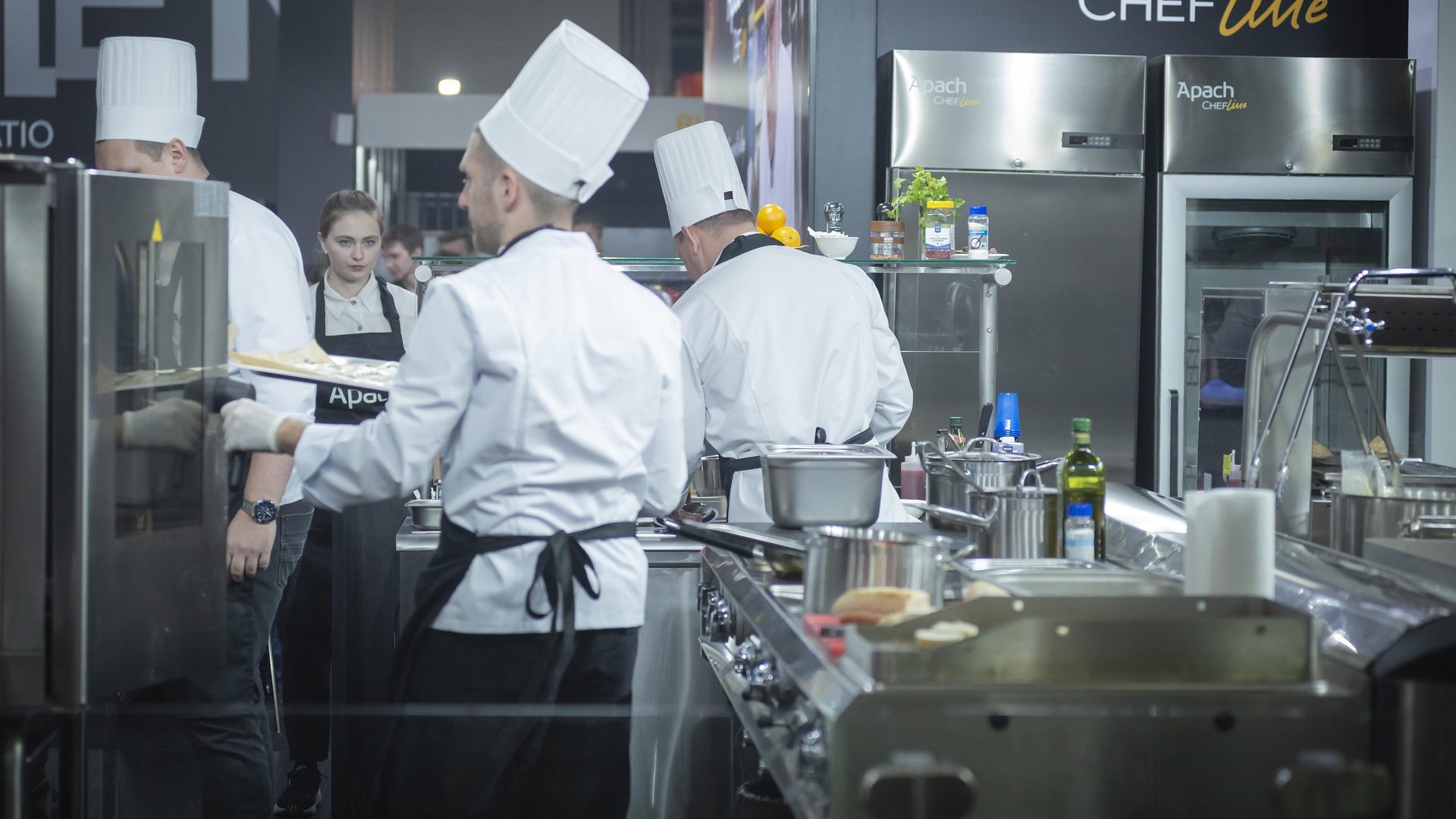
Many! Real-life partners, such as cafeteria managers, may introduce changes during experimental phases unrelated to your study—like tweaking menus or implementing sustainability measures without warning. These unexpected modifications can dilute or confound the experimental effects you’re trying to measure. In our cafeteria study, we avoided relying solely on checkout data; instead, a researcher was on-site each day to record what was happening and document dish choices. Although time-consuming, this hands-on approach helped us maintain some level of experimental control in a naturally dynamic environment.
Do you have any advice for those interested in conducting field experiments testing plant-based food choice interventions?
Persistence and Communication: Finding partners willing to collaborate might require multiple attempts. Emphasize how the study can benefit them by providing insights into their customer base. Their answer can change over time.
Multiple Strategies: There are different ways to reduce meat consumption—offering more authentic plant-based dishes, using meat substitutes, adjusting meat portion sizes, or simply enhancing side dishes. Be flexible and leave some decisions to your collaborator.
Accept Readiness Levels: Some settings might not be ready for major changes. This may mean that more effective nudges, such as defaults, are not feasible. Be flexible and start with widely accepted interventions such as labelling.
Document Everything: Thoroughly track any environmental changes and communicate with partners frequently to maintain some experimental control.
You may highlight rising meat prices or other trends which can sometimes open doors to cooperation. However, remember that meat reduction is not a top priority for collaborators. First, you need to connect on some level, i.e. get to know your collaborators’ conscious and unconscious design of the food choice environment.
If you would like to get in touch with Dominic, connect with his LinkedIn:
https://www.linkedin.com/in/dominic-lemken-8357a970/
Interview and blog post by Mia Patel and Georgia Harlow. Editorial supervision by Kristof Dhont.


 PHAIR Society